
İçindekiler
What is Excavator Track Assembly and Its Core Structure
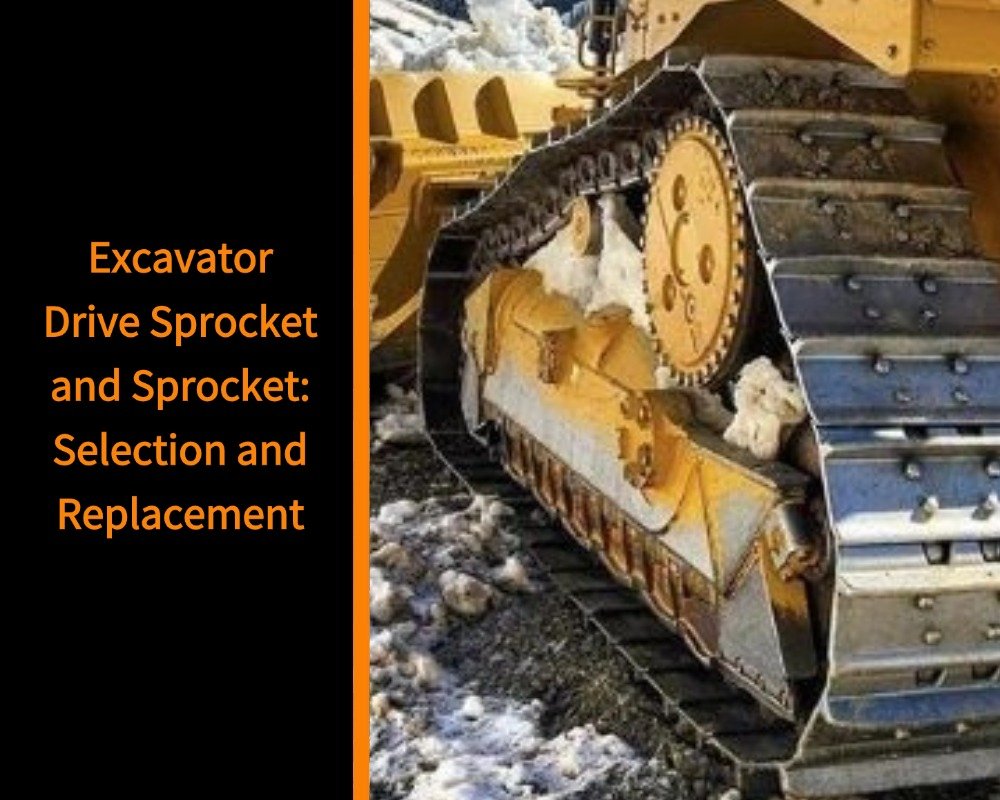
The ekskavatör palet tertibatı is one of the most critical components of the undercarriage system, directly determining the machine’s mobility, stability, and operational efficiency across different terrains. Rather than being a single component, the ray montajı is a coordinated system composed of multiple precision-engineered mechanical parts.
Its main components include the track chain, track shoe, pin and bushing, sprocket, and idler. These parts work together through dynamic engagement and mechanical coordination to ensure smooth movement and proper load distribution.
From an engineering perspective, the track system serves the following core functions:
- Distributes the machine’s weight to reduce ground pressure
- Provides stable traction for complex working environments
- Absorbs impact loads to protect the undercarriage structure
According to industry standards (referencing ISO 6165), tracked machines can improve mobility on soft ground by approximately 30%–50% compared to wheeled equipment, which is why they are widely used in mining and earthmoving applications.
Size Standards and How to Choose the Right Track Assembly
When selecting an excavator track assembly, size parameters are among the most fundamental and critical factors. Proper sizing not only affects machine stability but also directly impacts wear rate and fuel efficiency.
Key Size Parameters
- Pist Ayakkabısı Genişliği: Determines ground contact area and stability; wider tracks are better for soft ground
- Pitch: Affects chain engagement accuracy and is essential for drive system compatibility
- Link Count: Determines overall track length and tension range
Common Size Ranges by Machine Class
- 6–10 tons: 300–450 mm
- 20–30 tons: 500–600 mm
- 40 tons and above: 700 mm or more
Practical Selection Recommendations
- Soft ground: Choose wider tracks to reduce ground pressure
- Hard surfaces: Use standard or narrower tracks to reduce resistance
- Mixed conditions: Balance wear resistance and energy efficiency
Industry data shows that improper sizing can increase wear rates by approximately 25%–40% and significantly raise maintenance costs.
Materials Used in Track Assemblies and Their Performance Differences
Material performance directly determines the durability and reliability of an excavator track assembly, making it a key factor in long-term operating costs.
Common Material Types
- Yüksek Manganezli Çelik: Excellent toughness, suitable for high-impact environments
- Alaşımlı Çelik: Balanced strength and wear resistance, most widely used
- Heat-Treated Steel: Enhanced hardness and lifespan through quenching and tempering
Key Performance Indicators
- Surface hardness: HRC 45–60
- Tensile strength: ≥900 MPa
- Service life: 3000–6000 hours (for high-quality products)
According to major OEM standards, high-quality track assembly systems typically last 1.5 to 3 times longer than lower-quality alternatives.
Engineering Significance
High-quality materials and proper heat treatment not only extend service life but also reduce the risk of breakage and abnormal wear, minimizing downtime and maintenance frequency.
Compatibility Across Excavator Brands and Models
Compatibility is a critical factor when selecting an excavator track assembly. Although excavators from different brands share similar structures, there are subtle but important differences in undercarriage design.
Main Sources of Differences
- Variations in pitch standards
- Differences in chain structure design
- Inconsistent sprocket tooth profiles
- Variations in tensioning systems
Even machines within the same tonnage class may have millimeter-level differences between brands. Over time, these small discrepancies can lead to accelerated wear or improper engagement.
Practical Matching Methods
- Confirm machine model and OEM specifications
- Measure track pitch and width
- Check sprocket engagement condition
- Cross-reference with supplier data
Industry statistics indicate that approximately 15%–20% of track replacement issues are caused by incorrect matching rather than product quality.
Choose GFM Excavator Track Assembly: Long-term reliable choice
When selecting an excavator track assembly, long-term reliability is often more important than initial purchase cost. As a manufacturer with 15 years of industry experience, GFM focuses on the production and optimization of undercarriage systems, building a stable and mature engineering manufacturing system in the track assembly field.
From a manufacturing and performance perspective, GFM’s core advantages include:
- Material and process stability: High-strength alloy steel combined with forging and heat treatment ensures strong wear resistance and impact durability under heavy-duty conditions, extending overall service life.
- Dimensional accuracy and quality control: Standardized production processes and multi-stage inspection systems ensure consistent key dimensions and fitting accuracy for each excavator track assembly, reducing abnormal wear.
- Wide equipment compatibility: Compatible with major brands such as Komatsu, Caterpillar, Hitachi, Volvo, Doosan, Hyundai, SANY, and XCMG, meeting various tonnage and application requirements.
- Stable supply capability: Mature production systems support consistent supply, helping reduce equipment downtime and project delays.
From an engineering application perspective, a high-quality track assembly not only improves durability but also reduces maintenance frequency and downtime, ultimately enhancing overall operational efficiency.
| Hızlı ve ücretsiz bir teklif alın | E-posta: henry@gfmparts.com | Whatsapp: +86 17705953659 |
The excavator track assembly, as a core component of the undercarriage system, directly impacts machine stability, operational efficiency, and overall cost of ownership.
From size selection and material choice to compatibility verification, each step requires careful evaluation based on actual working conditions. Proper selection can extend service life, reduce failure rates, and improve operational continuity.
In demanding working environments, choosing a manufacturer with proven experience and stable production capabilities, such as GFM, helps ensure that the track assembly delivers reliable performance and supports efficient, cost-effective operations over the long term.