
Table of contents
Basic Knowledge of Wetland Bulldozer Parts
Wetland environments place special demands on bulldozer operations. Mud, standing water, and uneven terrain increase the stress on the machine. Choosing the right bulldozer parts is key to ensuring operational efficiency, safety, and equipment longevity.
1. Definition of Wetland Bulldozer Parts
- Concept: Wetland bulldozer parts mainly refer to undercarriage components suitable for muddy and soft ground, including tracks, sprockets, pins, and rollers.
- Function: They ensure the bulldozer operates stably on soft ground while withstanding higher mechanical stress, reducing wear and the risk of failure.
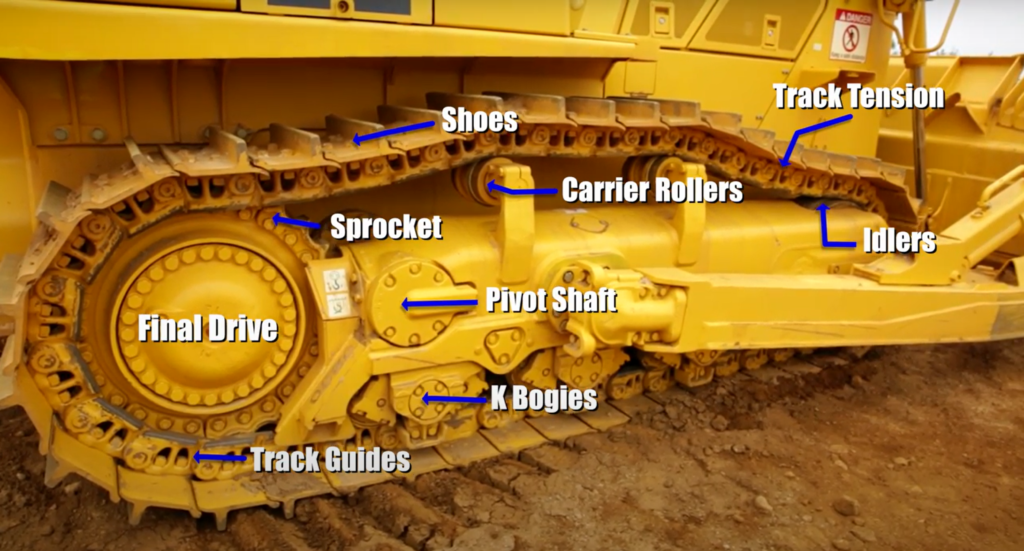
2. Overview of Main Undercarriage Components
- Tracks: Directly contact the ground, distribute machine weight, and prevent sinking.
- Sprockets: Drive the tracks, ensuring efficient power transmission.
- Idlers & Rollers: Support the tracks, maintain tension, and enable smooth movement.
- Track Shoes: Increase ground traction and prevent slipping.
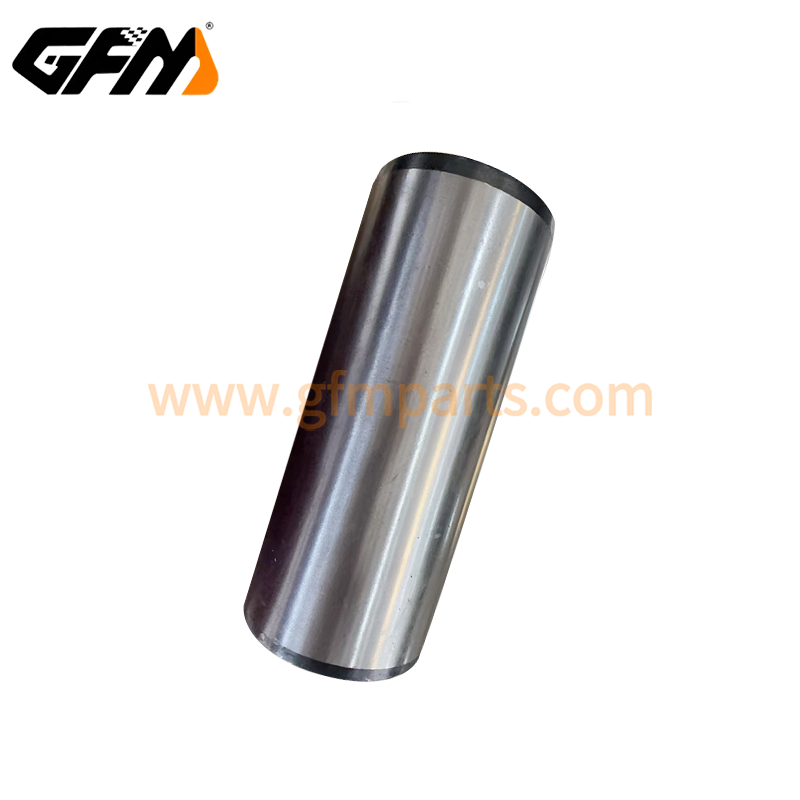
- Pins & Bushings: Connect track plates to sprockets and bear rotational pressure.
3. Common Issues in Wetland Operations
- Track slipping: Poor traction on muddy surfaces reduces efficiency.
- Pin wear: High humidity and mud accelerate component wear.
- Sprocket tooth damage: Mud and water reduce gear engagement and accelerate wear.
- Idler and roller corrosion: Moisture and chemicals in wetlands cause metal corrosion.
Understanding the performance indicators and selection principles of wetland bulldozer parts helps operators and procurement staff make informed choices, improving operational efficiency and equipment safety.

Material Selection: Corrosion Resistance and Wear Analysis
Wetland environments with water, mud, and chemicals accelerate component wear and corrosion. Material selection directly affects the service life and maintenance cost of bulldozer undercarriage parts.
Common Materials and Performance Comparison
- Carbon Steel
- Advantages: Low cost, easy to process
- Disadvantages: Poor wear and corrosion resistance, prone to rust in wetlands
- Suitable: Light wetland operations or short-term projects
- Alloy Steel
- Advantages: Chromium, molybdenum, and nickel increase wear and corrosion resistance
- Disadvantages: Higher cost, complex processing
- Suitable: Moderate wetland work, muddy or sandy soils
- Heat-Treated Steel (Quenching + Tempering)
- Advantages: High surface hardness (HRC 45-55), excellent wear resistance
- Disadvantages: Slightly heavier, requires precise machining
- Suitable: High-frequency operations, long-term wetland conditions
Professional Testing Methods
- Hardness Testing: Use Rockwell or Brinell testers to measure component hardness.
- Metallographic Analysis: Observe material structure under a microscope to check inclusions and hardness uniformity.
- Corrosion Testing: Simulate wetland conditions to evaluate resistance to water, mud, and chemicals.
Scientific material selection extends the service life of the bulldozer undercarriage and reduces frequent maintenance and replacement costs.
Weight Considerations: Balancing Stability and Efficiency
Component weight affects bulldozer stability, fuel consumption, and operational efficiency.
Weight Impact on Performance
- Stability: Too light parts can cause slipping or tipping on muddy ground.
- Fuel Efficiency: Too heavy parts increase resistance and fuel consumption.
- Mechanical Stress and Vibration: Uneven weight distribution accelerates undercarriage fatigue.
Special Requirements in Wetlands
Soft and uneven wetland terrain with fluctuating water levels requires a balance of weight and flexibility. Increasing track shoe width distributes pressure, while using lightweight, high-strength alloy pins and rollers reduces wear and fuel consumption.
Practical Calculation Method
- Calculate ground pressure based on total machine weight and expected environment.
- Determine roller and pin load capacity based on track shoe width and number.
- Choose weight and material combinations to balance stability and durability of bulldozer parts.
Size Matching: Ensuring Perfect Fit with the Machine
Correct size matching is fundamental for efficient bulldozer operation. Even with suitable materials and weight, mismatched dimensions can cause serious wear, slipping, or undercarriage failure.
Key Dimension Parameters
- Track Gauge: Distance between track centers, affecting stability.
- Sprocket Diameter: Influences track engagement and drive efficiency.
- Track Shoe Width: Determines ground pressure distribution.
- Pin & Bushing Diameter: Affects track connection precision and wear resistance.
Measurement Techniques
- Measure pins and bushings with calipers or micrometers.
- Measure sprocket diameter and track shoes using laser distance or standard templates.
- Regularly check dimensional deviations to ensure precise installation.
Accurate measurement and size matching effectively extend the life of bulldozer undercarriage parts and reduce maintenance costs.

GFM Professional Selection Guide and Reliable Procurement Advantages
GFM has extensive production experience and technical expertise in wetland bulldozer parts. Its products are widely used in complex wetland and muddy work environments. Choosing GFM’s bulldozer undercarriage parts provides durable materials, precise dimensions, and reasonable weight, ensuring stable operation and reduced maintenance costs.
GFM Advantages
- Rich Experience: Since 2011, GFM has specialized in manufacturing excavator and bulldozer undercarriage parts, fully understanding wear patterns and requirements in wetland operations.
- Material and Process Strengths: High-strength alloy steel and heat-treated steel, combined with advanced casting, forging, and heat treatment processes, improve wear and corrosion resistance. All critical parts undergo hardness testing and metallographic analysis before leaving the factory.
- Precise Size and Weight Control: Strict quality inspections ensure every pin, sprocket, and roller meets technical specifications, guaranteeing a perfect fit for the machine.
- Certification and Quality Assurance: ISO 9001 certified products, with at least one year or 2000 hours of quality guarantee.
- Wide Compatibility: Covers mainstream brands including Komatsu, Hitachi, Caterpillar, Volvo, Kobelco, Daewoo, Doosan, Hyundai, Kubota, Bobcat, Yanmar, SANY, Liugong, XCMG, Shantui, etc.
Practical Selection Advice
- Choose suitable material and hardness level based on wetland conditions (mud, water, sand mixture).
- Verify critical dimensions based on bulldozer model (track gauge, sprocket diameter, track width, pin diameter).
- Consider operational cycle and load to select appropriate weight for track shoes and rollers.
- Use GFM technical datasheets and historical work data to optimize component selection.
By integrating environment, size, material, and weight considerations, operators can scientifically select bulldozer parts, significantly improving wetland operation efficiency and equipment lifespan. GFM’s experience, precise manufacturing, comprehensive testing, and broad compatibility make it a preferred partner for wetland bulldozer parts procurement.
| Get a quick free quote | Email: henry@gfmparts.com | Whatsapp: +86 17705953659 |
Wetland operations are complex and place strict demands on bulldozer undercarriage materials, weight, and dimensions. Scientific selection of bulldozer undercarriage parts extends equipment life, reduces maintenance costs, and improves operational efficiency. By mastering material performance, weight design, and size matching principles, and leveraging GFM’s high-quality parts and technical support, operators and procurement staff can efficiently and safely perform operations in complex wetland conditions.
Correct selection + high-quality parts + scientific maintenance = optimal bulldozer performance.